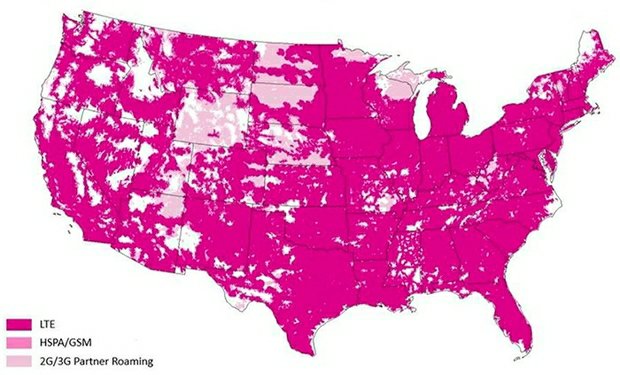
One of my greatest challenges as a solo traveler is keeping in touch with folks back home. Whether I’m traveling overseas, or in my own state’s national park, making a call isn’t always easy. Cell phone networks don’t like to share, and none of them have complete coverage in the US, so if you need to stay connected no matter where you are, here are a few devices and plans you may find useful.
Cellular Options
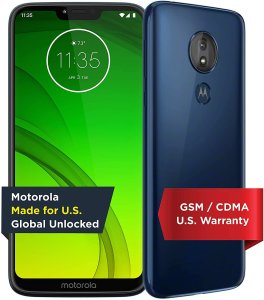
The first device I recommend is an unlocked cell phone. Even if you intend to stay with a particular carrier forever, a phone that can be used on any network can be useful as a secondary device, and they aren’t that expensive. During the beginning of the Covid pandemic I purchased an unlocked phone for $50 from Target, and set it up with a data-only plan so a friend could use it as a Hotspot.
The next most important thing, is to check your carrier’s plans and determine how much it costs to use your phone as a WiFi Hotspot. Sometimes it’s included in your plan, sometimes it costs extra. No plan has unlimited Hotspot data. Even if your phone has unlimited data, the devices you connect can’t access it after you reach your limit, and the carrier may even slow down your connection.
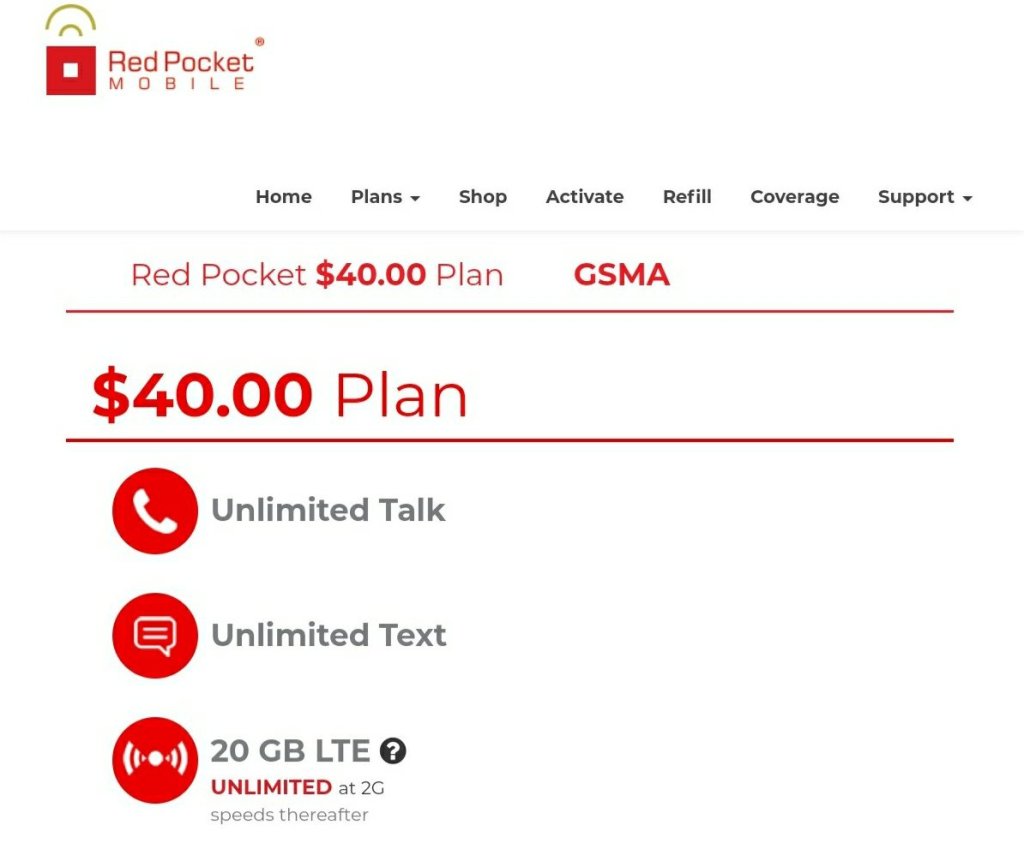
If you’re going for best coverage, most folks will tell you that means having Verizon, but their plans also tend to be more expensive. The lowest cost option that I’ve found is through a company called Red Pocket. This company uses all three major networks, and the one you’re on is determined by the phone and SIM card you’re using. If your SIM card is CDMA, you’ll actually be using Verizon’s network, without having to pay Verizon prices. Their $60 unlimited monthly plan gives you 30GB of data. Or if you’re using the phone as a Hotspot only, you can get a data only plan with 20GB for $40.
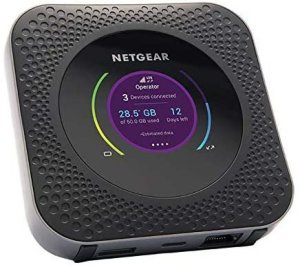
The data connection that can be achieved using a phone as hotspot is usually good enough for watching movies or medium quality video calls with Skype, FaceTime or other apps, as long as your signal reception is good. If you need a very fast data connection for business services however, or you need to connect many devices, consider getting a dedicated device like the Netgear Nighthawk, which has speeds up to 1 Gbps. Just keep in mind that you’ll hit your data limit that much faster!
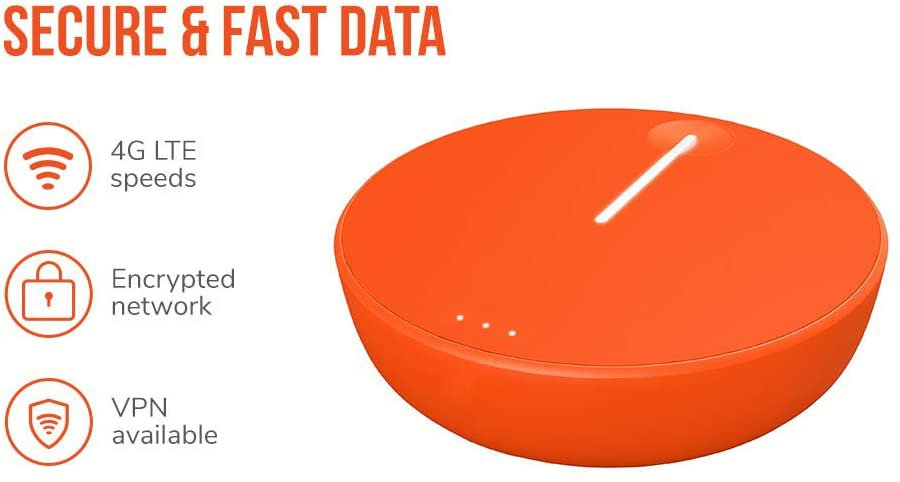
If your communication needs require sending files or downloading documents in areas with different networks or from different countries, you can buy this hotspot. The Solis Lite WiFi device works on multiple cell phone networks all over the world. The lowest plan is $6 per month for 1GB of data, with the option to buy more as you go. You can also get a day pass for $9 per day that gives you unlimited data, for those times when you’ve got to take a Zoom meeting from the airport in Iceland, waiting for your connecting flight to Amsterdam. It’s $119 directly from Skyroam or Amazon, but sometimes goes on sale for almost half price.
Satellite Communication Options
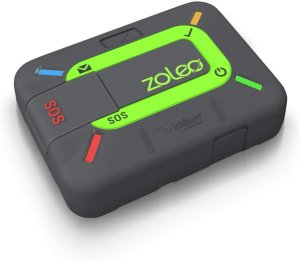
If you’re going to the back country, or even on those long roads between cities, you’ll find that cell signal is often nonexistent. Many national parks also lack cell reception outside of the visitor center area. For that type of situation, you’ll need to use a device that connects directly to satellites. This used to be very expensive, and is still pricey if you use it a lot, but for occasional use or texting, prices are reasonable. The Zoleo satellite communicator lets you text or email from anywhere in the world. It also has a feature to send SOS messages with your GPS coordinates to preset contacts, just by pushing a button, so if I ever fall down a hill and break my phone, I can still get help.
It does require a clear view of the sky, so I normally put mine on the car dash and leave it connected to my USB socket. It costs $200 for the device, and service plans range from $20 to $50 for unlimited texting.
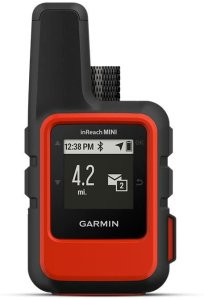
The Garmin inReach mini is similar to the Zoleo, and has several price plans. Be sure to calculate how often you’ll be texting, and check the overlimit fees of your plan, if any, since that can add up.
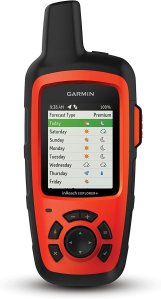
For those planning to hike or drive extensively in areas where there is no cell signal, check out the Garmin inReach Explorer which combines a handheld GPS that can display topographical maps, and the satellite texting features of the mini. It’s about $400, and can be purchased in camping stores like REI locally, or on Amazon. I already have a handheld GPS, so I didn’t need duplicate features.
If you absolutely need to make a call from anywhere, the only option is a satellite phone. Years ago while traveling in Zimbabwe I discovered that I couldn’t find SIM cards for my unlocked phone, making it impossible to use local networks. My friend was charged $20 for a call lasting a couple of minutes, and international roaming was over $4 per minute. It turned out that using my Sat phone at under $2 per minute was cheaper! It came in the most useful on safari when the Landrover broke down, in the Kalahari in Botswana. Walking from camp to town, aside from taking several hours, could have been dangerous since there are lions in the National Park.
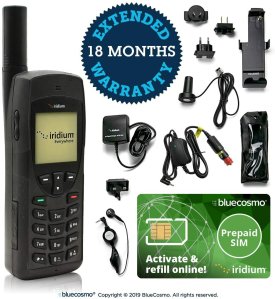
There are a couple different satellite networks. The one with the most coverage is Iridium. The phones that work on this network start at about $900, but sometimes you can buy them used on EBay or Amazon. You can also save money by buying 3rd party accessories like batteries or extra charges. My Sat phone is more than 10 years old and still works fine, though I’ve replaced batteries twice. You can buy prepaid minutes that last for several months, or get a monthly plan, which starts at about $60 per month.
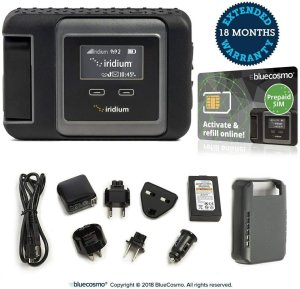
If working from Death Valley or the Himalayas is your thing, or you’re hiking in the Grand Canyon while looking for a job, an Iridium hotspot will let you do that! You can connect your phone, tablet or laptop to the Iridium satellite and send your resume or other work files. The device costs about $700, and a 6 month package of 400 data minutes, 200 voice minutes and 1200 SMS messages will set you back an additional $500. See BlueCosmo for more info.
No-Network Options
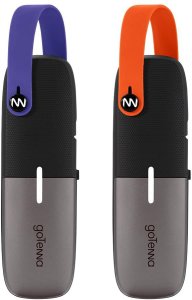
For those of you wandering in the wilderness with partners or friends, GoTena Mesh devices let you create a private network without using satellites or phone towers, so there’s no monthly plan to pay for. It’s works like a walkie-talkie, but instead of talking, it let’s you text or chat. The range varies because of terrain, with a max up to 4 miles. For two groups hiking, or messaging to get the grocery list, or to send your coordinates friends in a crowd, these devices could be really useful.
What’s right for you?
The locations you’ll travel, the coverage available, your data needs and your budget will determine what’s right for you. I actually add and drop services depending on my needs. My last car camping trip was to several national parks. I was usually in the park all day, with no cell service, and some of the free National Forest campsites didn’t have service either. The Zoleo worked great for me because I could check-in to send my location anytime, letting family know where I was hiking and where I’d be spending the night. I was especially thankful for it when a sudden snowstorm came in, and I thought I might end up stuck in the snow! But on the days that I had to make work calls or send files, I had to stay at the Visitor Center until all my work was done, making me wish I had ways to send even a little data from whatever my location was.
So take the time to do your research before buying anything pricey or committing to an annual service plan. You can always go with a prepaid option first and change it later. In the meantime, enjoy your travels!
To keep up with my posts, follow me on WordPress or Facebook at https://m.facebook.com/pg/tinyprius/posts/

 Tiny Prius Travel